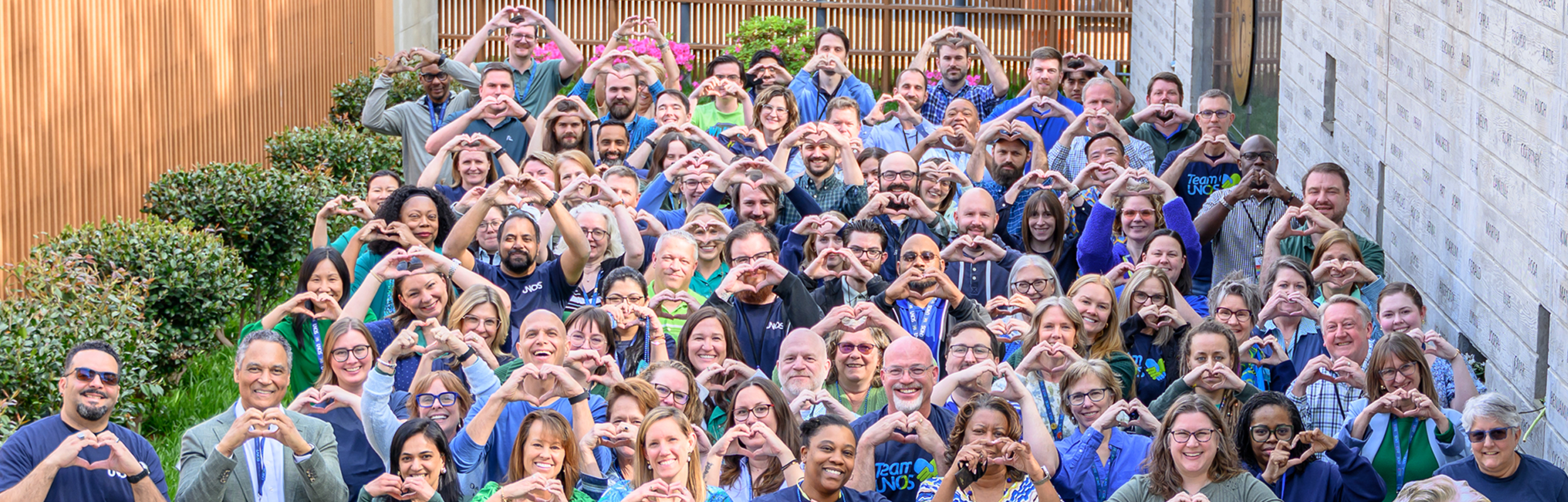
The UNOS Organ Center is available 24 hours a day, every day of the year, to facilitate organ sharing among transplant centers, organ procurement organizations and histocompatibility laboratories across the U.S.  The primary functions of the Organ Center are to:

  • assist in placing donated organs for transplantation
  • assist in gathering donor information and running the donor/recipient computer matching process
  • assist with transportation of organs and tissues for the purposes of transplantation
  • act as a resource to the transplant community regarding organ-sharing policies

History

The UNOS Organ Center, established in 1982 as the Kidney Center, celebrated 20 years of service on July 15, 2002. In 1984, as more organ types were being successfully transplanted and the sharing of lifesaving organs became more common, the name was changed to the Organ Center. Since its inception, the Organ Center has provided continuous, uninterrupted service to the transplant community.

Our Staff

The Organ Center employs individuals of varied educational and employment experiences, bringing unique knowledge and abilities that enhance the entire department. The preferred criterion for employment includes a four-year degree in biological sciences. However, several staff members hold degrees in psychology, sociology and communications. Nearly every organ placement specialist has practical experience in the medical and/or transplantation field.

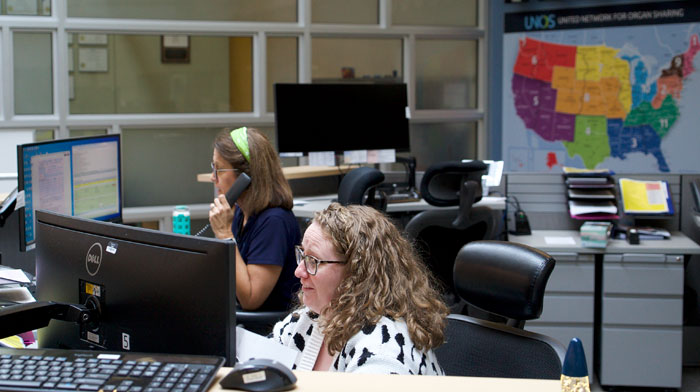
The UNOS Organ Center staff consists of organ placement specialists, Organ Center managers and a quality management team. The Organ Center is divided into two 12-hour shifts, and is typically staffed with three organ placement specialists per shift with one specialist on call. Additionally, an Organ Center manager is always on call to assist with administrative, operational or policy issues.

Our Activity

On an average 24-hour day, six organ placement specialists during two 12-hour shifts will:

  • place and/or attempt to place 15 organs for transplantation
  • process and transmit 12 organ donor matches to waiting OPOs
  • add, modify or remove more than 50 patients from the national waiting list
  • receive 350 telephone requests from transplant centers, OPOs and laboratories
  • spend more than 26 man-hours on the telephone placing organs and communicating matching information

Facilities

The UNOS Organ Center uses leading technology to provide secure, fail-safe, high-speed communications. Organ Center operations are safeguarded against power and communications interruption through a complete contingency and disaster recovery plan. In catastrophic situations, operations can be switched in minutes to a fully operational disaster recovery site.

The Organ Placement Process

When organs are donated, a complex process begins. The procuring organization accesses the national transplant computer system, UNetsm, through the Internet, or contacts the UNOS Organ Center directly. In either situation, information about the donor is entered into UNetsm and a donor/recipient match is run for each donated organ.

The resulting match list of potential recipients is ranked according to objective medical criteria (i.e. blood type, tissue type, size of the organ, medical urgency of the patient as well as time already spent on the waiting list and distance between donor and recipient). Each organ has its own specific criteria. Learn more *

Using the match of potential recipients, the local organ procurement coordinator or an organ placement specialist contacts the transplant center of the highest ranked patient, based on policy criteria, and offers the organ. If the organ is turned down, the next potential recipient's transplant center on the match list is contacted. Calls are made to multiple recipients' transplant centers in succession to expedite the organ placement process until the organ is placed. Once the organ is accepted for a patient, transportation arrangements are made and the transplant surgery is scheduled.

Did you know?
Despite continuing efforts at public education, misconceptions about donation persist.

Read about common myths that prevent some people from becoming organ donors.
Text SizeIncrease Font SizeDecrease Font Size