
Research & Data
Using AI to identify kidney anatomy issues
About the research
UNOS researchers explored whether artificial intelligence (AI) can help identify anatomical issues in donor kidneys before transplant. The system analyzes photos taken during kidney procurement to see whether the organs appear normal or have structural issues that could affect transplant success.
Using existing OPTN data, the UNOS team built a dataset where each donor had a set of photos, filtering out low-quality or irrelevant images. Donors were labeled as follows:
- No anatomical issues = both kidneys were successfully transplanted
- Anatomical issues = at least one organ was refused due to anatomy concerns
UNOS researchers then trained the AI model to review sets of donor photos and predict whether anatomical issues were present. The subject matter experts did not provide the model with any direct guidance–it learned from the images and outcomes alone.
Key findings
The AI model showed promising performance in identifying anatomical issues.
Performance metrics:
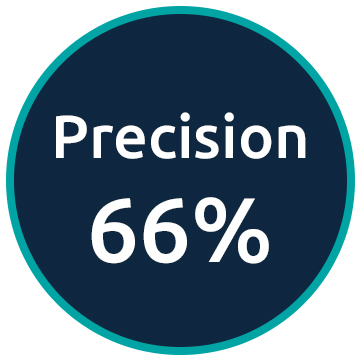
When the model flagged an issue, it was correct about two-thirds of the time.
- If the model flagged three cases as having anatomical issues, two of the cases would be true instances of anatomical issues, and one would be a “false alarm.”
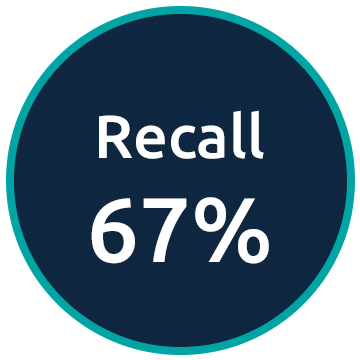
The model accurately identified two-thirds of true anatomical issues
- The model would accurately catch two out of three anatomical issues, and would miss one true case
Why this matters
Deciding whether a donor kidney is suitable for transplant is a critical step in the transplant process.
This research shows that AI could help support clinical decision-making by automatically detecting anatomy issues and improving the consistency of identification.
Improvements in how organs are evaluated could help ensure more patients receive successful transplants.
What’s next
This work showed promising results, but the model still has room for improvement. Potential future work may include:
- Improving how the AI model is trained so it becomes more accurate
- Working with clinicians in the transplant community to better define and label anatomical issues
With further development, tools like this could help improve the pre-transplant organ evaluation process and support better outcomes for patients.
About UNOS research
UNOS conducts research as part of its mission to save and transform lives through research, innovation and collaboration.
The data reported here have been supplied by UNOS as the contractor for the Organ Procurement and Transplantation Network (OPTN). The interpretation and reporting of these data are the responsibility of the author(s) and in no way should be seen as an official policy of or interpretation by the OPTN or the U.S. Government.
This study used data from the Organ Procurement and Transplantation Network (OPTN). The OPTN data system includes data on all donors, wait-listed candidates, and transplant recipients in the US, submitted by the members of the Organ Procurement and Transplantation Network (OPTN). The Health Resources and Services Administration (HRSA), U.S. Department of Health and Human Services provides oversight to the activities of the OPTN contractor.

UNOS insights and analysis on healthcare and transplant issues